Source High Performance Active Optical Cable for Data Centers
Find and compare high performance active optical cable options from 30 verified listings. Evaluate specifications such as fiber count, jacket type, and certifications to select the right solution for your network infrastructure needs; compare the available evidence and request quotations based on your requirements.
Key considerations
Products List


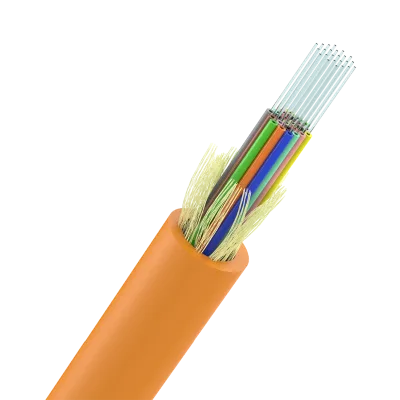


Comprehensive Sourcing Guide
High Performance Active Optical Cable Sourcing Guide
Procuring high performance active optical cables requires a nuanced understanding of the distinction between passive and active components in data center interconnects. Unlike passive copper or fiber solutions, active optical cables contain integrated optoelectronic transceivers at each end, converting electrical signals to optical light for transmission and back again. This architecture allows for longer reach and higher bandwidth density while maintaining a form factor similar to traditional copper cables. Buyers must recognize that the "active" nature introduces electronic components that require power and specific driver logic, making compatibility with host equipment a critical initial verification step before any bulk order is placed.
The sourcing landscape for these components is dominated by specialized manufacturers who often operate under broader telecommunications or consumer electronics umbrellas. Observed market signals indicate a wide variance in product specifications, ranging from simple single-mode fiber applications to complex multi-core configurations designed for aerial or direct-burial installation. While the core keyword focuses on high-performance data links, the available supplier base often includes vendors producing general-purpose fiber optic cables with varying jacket types, armor structures, and strength members. Procurement teams must therefore filter these broad listings to identify suppliers with dedicated R&D capabilities for active transceiver integration, ensuring the final product meets the stringent latency and throughput requirements of modern high-speed networks.
Product Scope and Observed Listing Signals
The current market listing signals reveal a fragmented product scope that blends high-speed active cables with general-purpose fiber infrastructure. Buyers will encounter listings for indoor fiber optical cables with model numbers such as #8555 and #8890, which often feature single-jacket designs and multicore configurations suitable for duct or aerial installation. These products frequently cite certifications like RoHS, CE, and ISO9001, indicating a baseline of manufacturing quality control. However, the presence of attributes such as "Allowed Lateral Pressure" and "Strength Member: FRP" suggests that many suppliers are positioning ruggedized passive cables alongside active solutions. Procurement specialists must carefully distinguish between these passive infrastructure components and true active optical cables, as the latter require active electronic components rather than just structural reinforcement.
Further analysis of listing attributes shows a significant overlap with consumer and industrial audio-visual applications. Models like HITEK-1006 and HITEK-1020 are described with applications including microphones, telephones, and multimedia monitors, utilizing conductor materials such as bare copper wire or CCS. These listings often specify packing methods like PE bags or blister packs, which are typical for low-voltage interconnects rather than high-performance data center cables. The observed price range of $0.05 to $790 USD reflects this diversity, spanning from basic audio cables to specialized industrial fiber optics. Buyers must scrutinize the "Type" attribute, looking specifically for "Optical Fiber" or "Single-mode Fiber" designations, while remaining cautious of listings that primarily describe copper-based coaxial or microphone cables, as these do not meet the core requirements for high-performance optical data transmission.
Technical Specifications to Verify
Verifying the technical specifications of active optical cables begins with confirming the optical fiber type and core count. Buyers should prioritize single-mode fiber options for long-distance, high-bandwidth applications, ensuring the cable supports the required wavelength, typically 850nm or 1310nm/1550nm depending on the transceiver. The core count is another critical parameter; while many general fiber cables support 2-12 cores, high-performance active cables often utilize specific core configurations optimized for differential signaling or parallel optics. Procurement teams must verify that the cable’s physical dimensions, including jacket thickness and overall diameter, fit within the port constraints of the host equipment. Additionally, the bend radius specifications must be checked to ensure the cable can be routed in dense rack environments without signal degradation or physical damage to the delicate optical fibers inside.
Electrical and protocol compatibility is equally vital for active optical cables. Unlike passive cables, active versions contain transceivers that must match the protocol and speed of the connected devices, such as 10G, 25G, or 40G Ethernet standards. Buyers must verify the connector type, with LC connectors being a common standard for high-density applications, as noted in some supplier attributes. The power consumption of the integrated transceivers should also be evaluated, as this impacts the thermal management of the host device. Furthermore, the operating temperature range must be confirmed to ensure reliability in data center environments, which can experience significant heat buildup. Suppliers should provide detailed datasheets outlining the electrical interface, signal integrity metrics, and maximum transmission distance to ensure the cable performs as expected under load.
Compliance and Safety Documentation
Compliance documentation is a non-negotiable aspect of sourcing high-performance active optical cables, particularly for enterprise and government contracts. Buyers must request certificates of conformity for major regulatory standards, including RoHS, CE, and ISO certifications, which are frequently cited in supplier listings. These certifications ensure that the materials used in the cable jacket, connectors, and internal components meet environmental and safety requirements. For markets in North America, UL and CSA certifications may be required to verify fire safety and electrical compliance. Procurement teams should also check for VDE certification if operating in European markets, as this indicates rigorous testing of electrical safety. It is essential to obtain valid, up-to-date certificates for each batch or model, as counterfeit or expired documentation is a common risk in the global supply chain.
Beyond regulatory compliance, buyers should verify adherence to industry-specific standards that govern fiber optic performance. Standards such as ASU 4B1.3 or GYXTW specifications may be referenced by suppliers, indicating compliance with specific structural or performance benchmarks. However, these standards often apply to passive cable construction rather than active electronic components. Therefore, buyers must ensure that the supplier also provides compliance data for the active transceiver modules, such as IEEE or MSA (Multi-Source Agreement) compliance. This ensures interoperability with equipment from different manufacturers. Additionally, documentation regarding the disposal and recycling of the electronic components within the active cable should be reviewed to align with corporate sustainability goals and local waste management regulations.
Cost Drivers and Commercial Terms
The cost of high-performance active optical cables is driven by several key factors, primarily the quality of the optoelectronic components and the complexity of the transceiver design. Buyers will observe a wide price range, from under $1 to nearly $800 USD, reflecting differences in speed, reach, and brand reputation. Higher speeds and longer distances typically command premium prices due to the advanced laser and photodetector technologies required. The material composition of the cable, such as the use of bare copper versus copper-clad steel, also influences cost, although this is more relevant to passive components. Procurement teams should analyze the total cost of ownership, considering not just the unit price but also the potential savings in power consumption and rack space compared to traditional copper solutions.
Commercial terms and minimum order quantities (MOQs) vary significantly across the supplier base. Observed MOQs range from 1 unit to 10,000 units, allowing for flexibility in pilot testing and large-scale deployments. Buyers should negotiate pricing tiers based on volume, as significant discounts are often available for bulk orders. Lead times are another critical commercial factor; while some suppliers offer immediate stock, others may have longer production cycles, especially for customized configurations. Payment terms should be structured to mitigate risk, such as using letters of credit for large orders or escrow services for new supplier relationships. Additionally, buyers should clarify warranty terms and return policies, ensuring that defective units can be replaced quickly to minimize downtime in critical network infrastructure.
Supplier Qualification and Quality Control
Supplier qualification for active optical cables requires a thorough assessment of manufacturing capabilities and quality control processes. Buyers should prioritize suppliers who have ISO9001 certification, as this indicates a standardized approach to quality management. It is also important to verify the supplier’s ability to perform rigorous testing on the active components, including eye diagram analysis, bit error rate testing, and thermal cycling. Suppliers who produce both the cable and the transceivers may offer better integration and support, but buyers should also consider specialized transceiver manufacturers who partner with cable assemblers. Due diligence should include reviewing the supplier’s track record in delivering consistent quality, as well as their ability to provide technical support and troubleshooting assistance.
Quality control extends beyond the initial production phase to include ongoing monitoring and supply chain transparency. Buyers should request detailed inspection reports for each batch, including visual inspections of connectors and electrical tests of the transceivers. The use of fumigated wooden drums or iron-wooden drums for packing, as noted in some listings, suggests a level of care in handling and shipping, which is crucial for preventing damage to sensitive optical components. Procurement teams should also assess the supplier’s ability to handle customization requests, such as specific cable lengths or connector types, without compromising quality. Establishing a clear communication channel for quality issues and implementing a robust incoming inspection process at the receiving facility are essential steps to ensure that the delivered products meet the specified performance standards.
Long-Term Procurement Checks
Long-term procurement success depends on establishing a framework for continuous performance monitoring and supplier relationship management. Buyers should implement regular audits of the installed cables to detect any degradation in signal quality or physical damage over time. This includes monitoring error rates and latency metrics to identify potential issues before they impact network performance. Suppliers should be required to provide updates on any changes to component sourcing or manufacturing processes, as these can affect compatibility and reliability. Building a strong relationship with the supplier can facilitate faster resolution of technical issues and access to new product innovations, ensuring that the procurement strategy remains aligned with evolving network requirements.
Additionally, buyers should stay informed about industry trends and technological advancements in active optical cable technology. This includes monitoring developments in higher speed standards, such as 100G and 400G, and new form factors that offer greater density and efficiency. Regularly reviewing the supplier’s product portfolio can help identify opportunities for consolidation or upgrade. It is also important to maintain a diversified supplier base to mitigate risks associated with supply chain disruptions or geopolitical factors. By combining technical vigilance with strategic supplier management, procurement teams can ensure that their high-performance active optical cable investments continue to deliver value and reliability over the long term.
FAQs
What certifications are available for high performance active optical cable?
Available certifications include RoHS, CE, ISO, VDE, CCC, UL, and CSA. These ensure compliance with international safety and environmental standards. Buyers should verify specific certifications required for their target market before placing orders to guarantee regulatory acceptance.
Which customization options exist for high performance active optical cable?
Customization is available for various product attributes including color, jacket type, and armor. Manufacturers can adjust specifications like fiber count or conductor material to meet unique project needs. Buyers must provide detailed requirements to enable tailored production solutions.
How is high performance active optical cable typically packed for shipment?
Packaging options include wooden drums, iron-wooden drums, cartons, and plastic rolls. Specific configurations like fumigated drums or standard rolls of 100 to 305 meters are common. The choice depends on order volume and shipping requirements to ensure safe transport.
Can high performance active optical cable be used in aerial installations?
Yes, the product supports aerial installation alongside direct-burial and duct applications. It features strength members like FRP or steel wire to withstand tension. This versatility makes it suitable for diverse deployment environments requiring robust mechanical protection.
What is the typical MOQ for high performance active optical cable orders?
The minimum order quantity ranges from 1 to 10,000 units depending on the supplier and product type. Buyers can negotiate based on specific model requirements and customization levels. Flexible MOQs allow small and large enterprises to source efficiently.
Which materials are used for the conductor in high performance active optical cable?
Conductor materials include bare copper wire, BC, CCS, CCA, TC, CU, and CCAG. The choice affects conductivity and cost. Manufacturers select materials based on performance requirements and application standards to ensure optimal signal transmission.
What standards apply to high performance active optical cable production?
Production follows standards such as ASU 4B1.3, 6B1.3, 12B1.3, and GYXTC8A. These define structural and performance criteria for different cable types. Adherence ensures reliability and compatibility with industry-specific installation and testing protocols.